Exa

 Apply
About
Exa's research vision is "Attention Over Everything." How do we attend over the world's 100 trillion tokens, at sub-200ms speed, to find the right information?
To start, we build massive-scale infra to crawl the entire web, train state-of-the-art language models to process it, and design super high performant vector databases to retrieve over it. We're building a search engine unlike the world has ever seen, and power search for Cursor, Cognition, HubSpot, and over 400,000 developers.
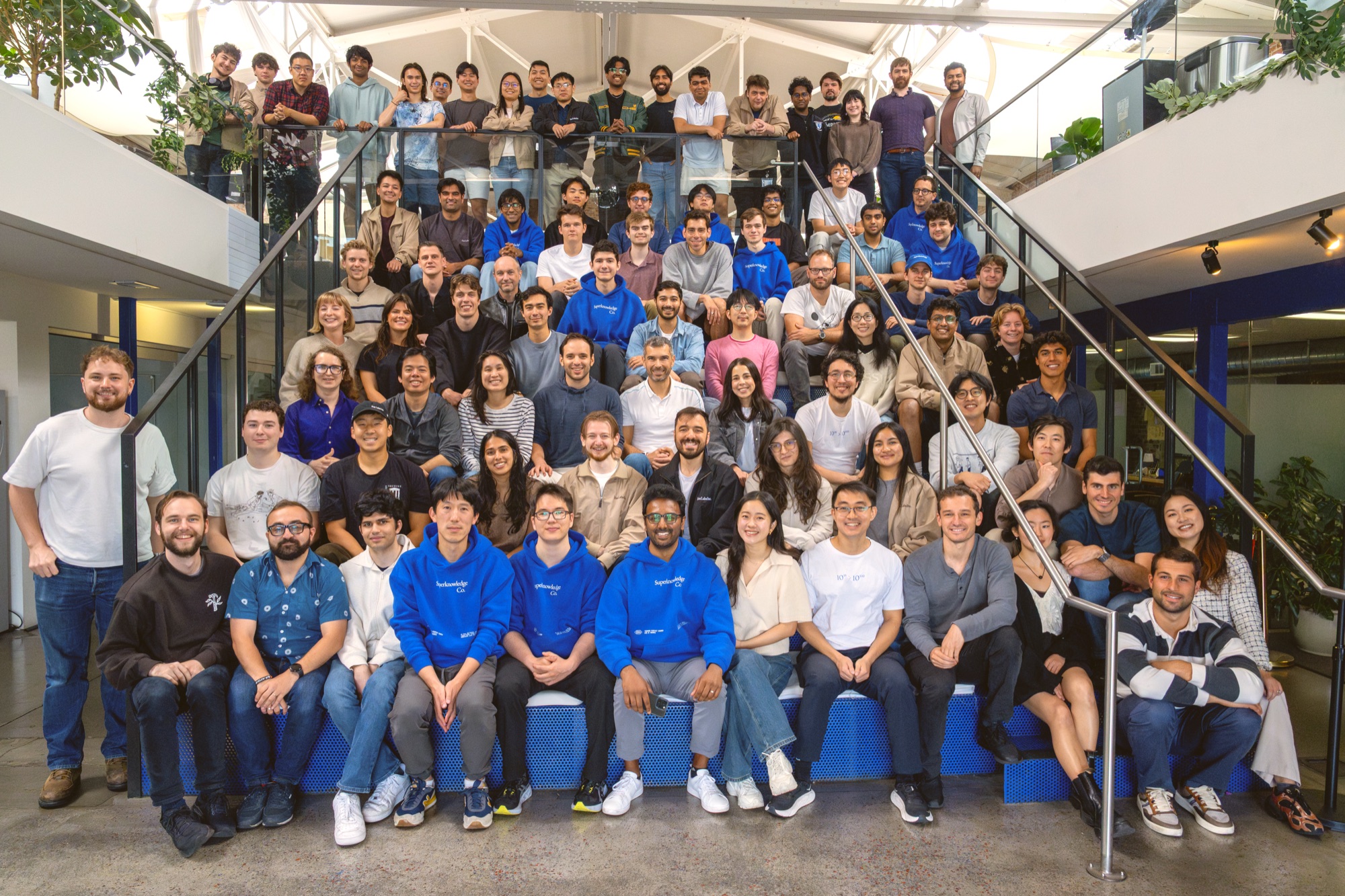
Our team is small, talent-dense, and driven by the mission of responsible and complete information infrastructure for humanity. If we can achieve perfect search so that every AI has the highest quality information, then every human will too.


A technical challenge for the 3blue1brown audience
Exa's research vision is "Attention Over Everything." How do we attend over the world's 100 trillion tokens, at sub-200ms speed, to find the right information?
In that spirit, a small puzzle below: a message is hidden in a librarian's scroll. Can you follow the historical clues, find the important tokens, and decipher its meaning?
The Library of Alexandria existed for centuries. It served knowledge to citizens of the world and provided answers to all types of queries far and wide. A librarian, grey and weary, looked after the scrolls, and loved each and every one equally.
In 48 BCE, there was one final query delivered to the Library of Alexandria. It was a warning…
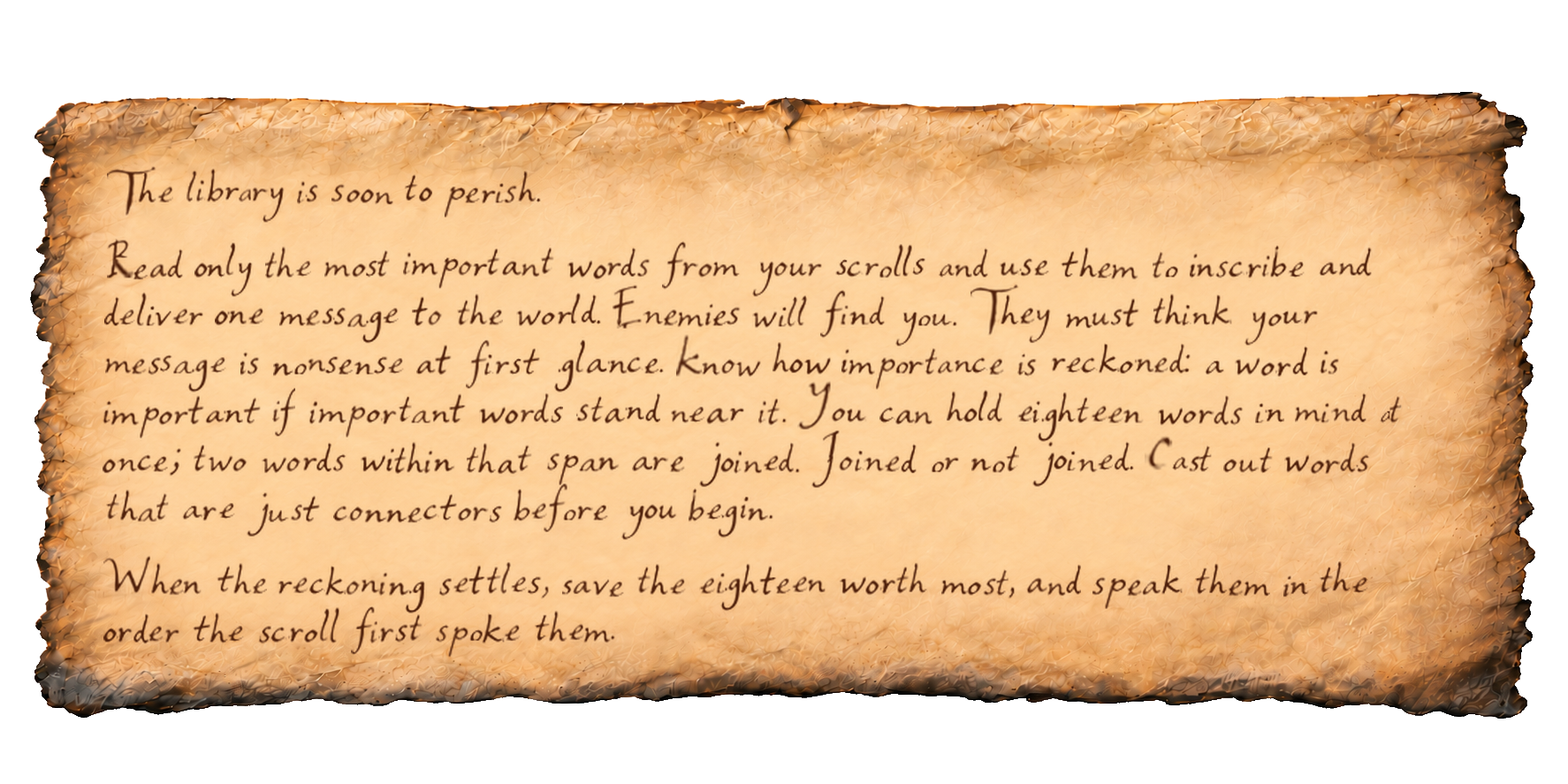
And that's all we knew, until, on June 30th, 2021, the librarian's answer was finally found. One scroll of eighteen lines, found in front of a sign: ΕΞΑ.

If you can solve it, we'd love to hear from you.
Submit a solutionFeatured work
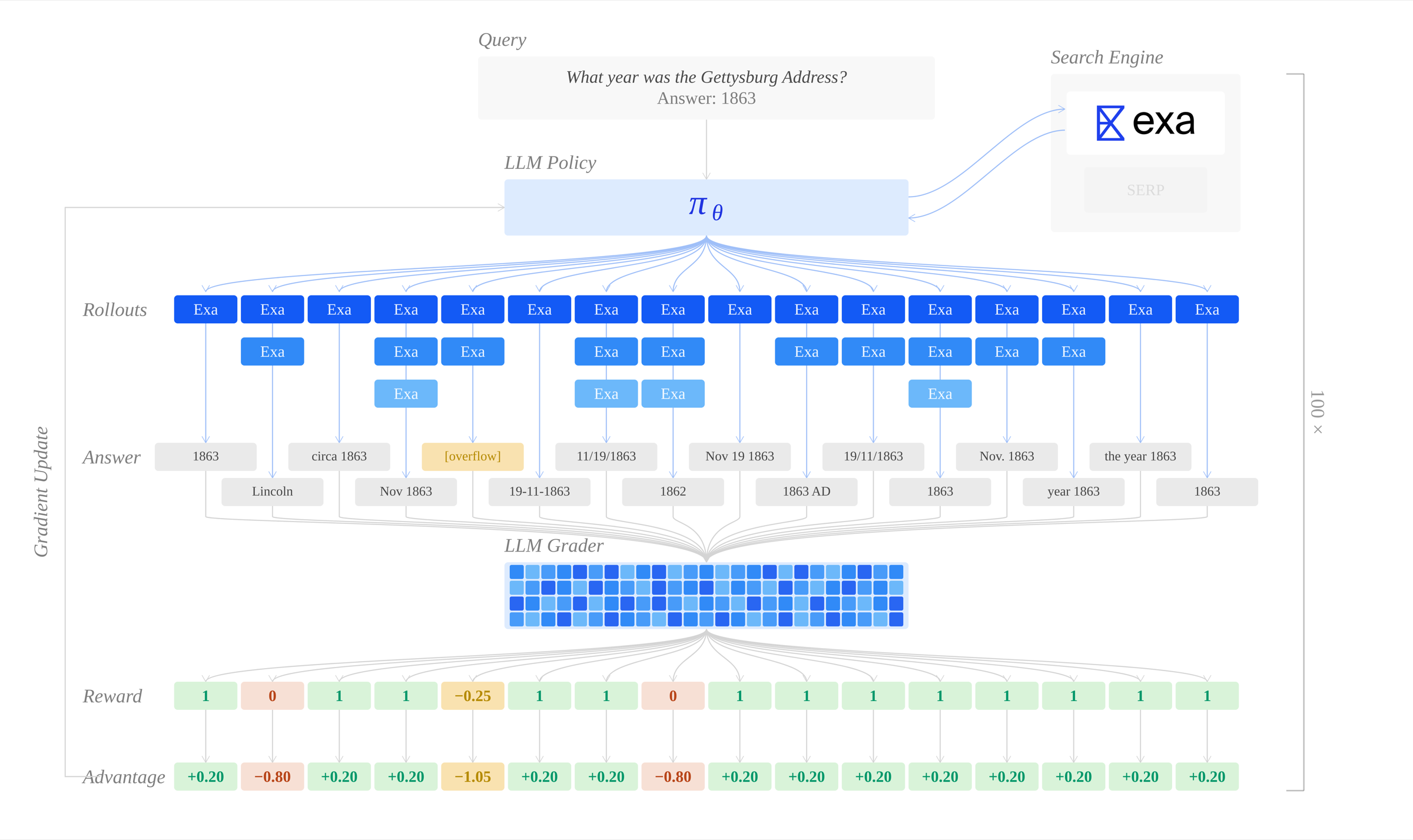
Better RL agents with Exa as their search backend
Agents trained with Exa as the search backend during reinforcement learning reach higher performance with less training compute.
 Read the post
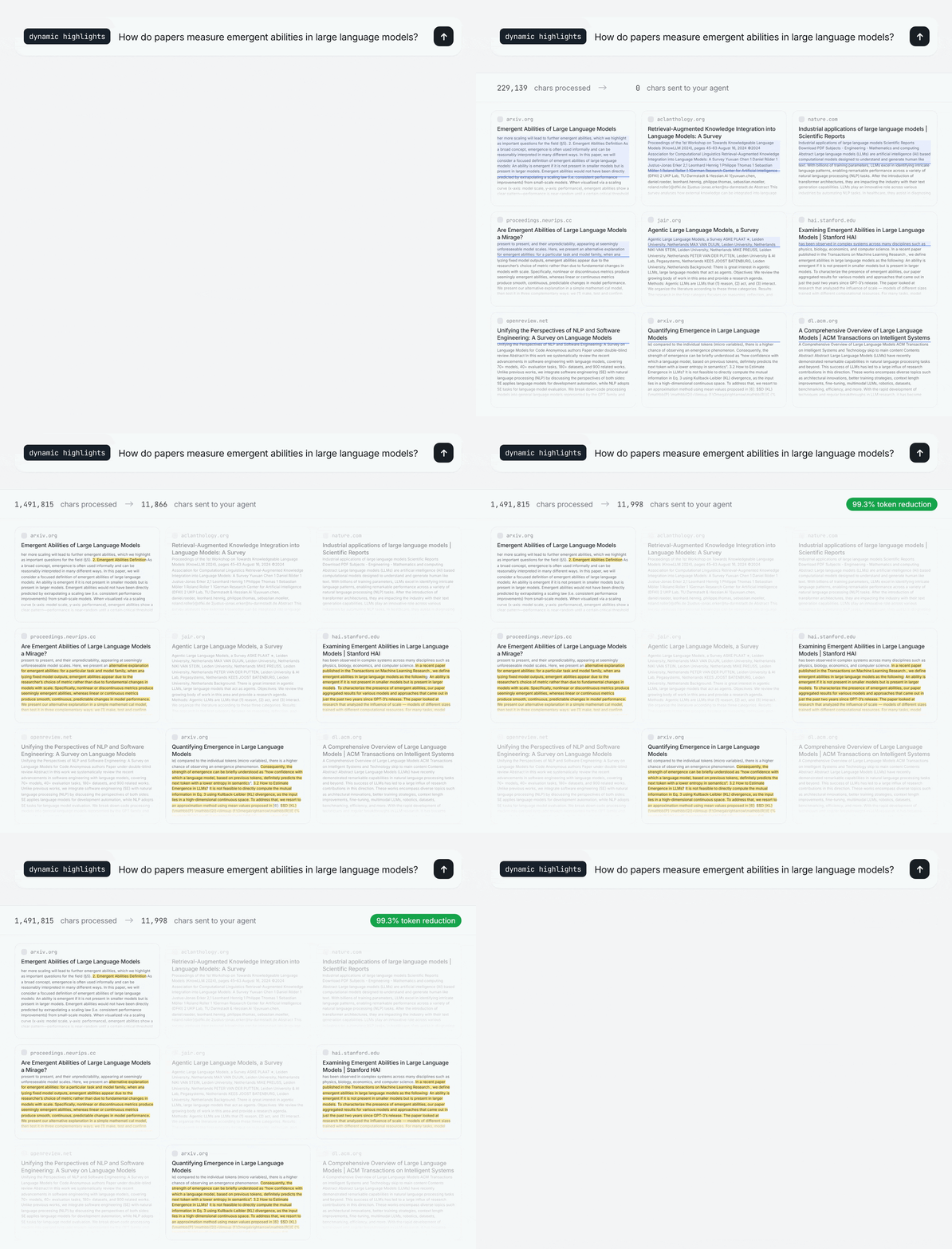
Dynamic Highlights: 95% fewer tokens
Given a search query and a set of URLs, Exa's Dynamic Highlights model retrieves the tokens that matter and reduces token usage by 95%.
 Read the post
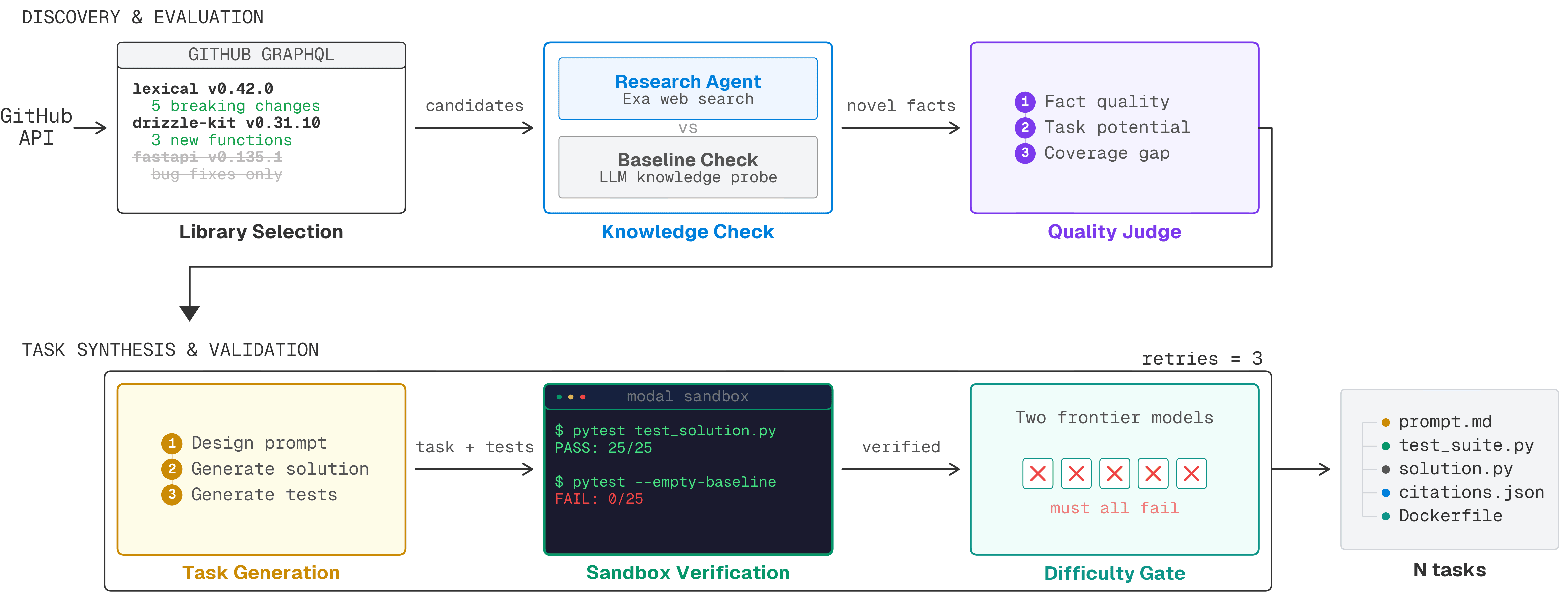
WebCode: evals for coding agents
Exa built WebCode, an open-source eval to measure web search quality for coding agents.
 Read the post

What our team says
What you do at Exa is only constrained by your appetite. There is an infinite backlog of interesting problems to work on and an amazing team to tackle those problems with. And I've always really enjoyed software engineering from a very young age. So it's a really nice place for someone like that.
— Miguel Brandão, Engineer
Message from Grant
The more I think about what makes an LLM useful, either in chat or as an agent, the more I realize how important effective web search is. Pretty much whenever you need factual information, hoping to retrieve that from what's compressed into the weights is not only unreliable, but undesirable from a credit-attribution standpoint.
The most fascinating part of chatting with the Exa team was to hear how different the challenge of search for LLMs is from the challenge of search for humans. You can expect much richer queries, and the desired response is likely not one important top search result, but a fuller set of pages that are most helpful to load into context. This means completely rethinking how you index the web in the first place, and how you structure return results. I especially like Sam Mitchell's framing in our interview that the goal is to create "attention over everything".
Given how lean the team is compared to the scale of what they're dealing with, it would be easy to imagine people feeling daunted. Instead, I saw only excitement from the people I chatted with. And I get it: when you're on a team of highly capable peers, and you're able to take on significant tasks as an individual that would have previously required a full team, it can be incredibly compelling.
On a personal note, I believe that effective credit attribution is one of several very real concerns about LLMs that deserve to be taken seriously, and I also believe more effective web search stands to help. This is a huge topic of discussion amoung writers, artists, mathematicians and other creative careers. When the value a model delivers is a direct consequence of someone's creation, I think the future we all want to live in is one where that person is duly credited. This is extremely hard when facts are retrieved from the weights, but much more tractable when pages are cleanly retrieved and used in context. Even when facts are baked into the weights, it strikes me that the challenge of finding where in the training data it may have originated is a highly similar challenge to that of good retrieval from the web for highly rich queries. So my personal hope is that Exa can help us with that challenge.
I was pleased, then, to hear that this is something that people at Exa also think a lot about. One of them mentioned to me their efforts with Exa Connect and partnering with traditional publications so they get paid for their original work.